Our Services
Baxter Auto Worcester – Excellence in Vehicle Care
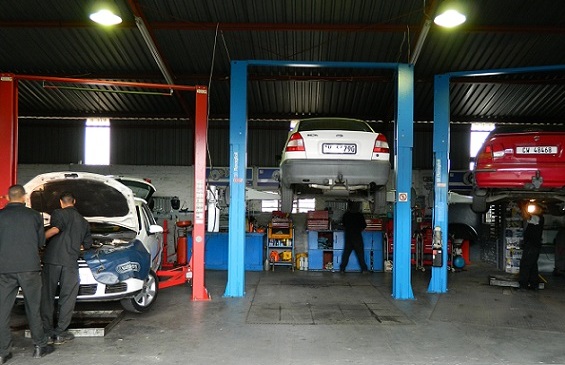
At Baxter Auto Worcester, we provide comprehensive solutions for all your vehicle servicing, maintenance, and repair needs. Over the years, we have established ourselves as a trusted industry leader recognized for the quality of our products, the depth of our technical expertise, and the professionalism with which we care for both our customers and their vehicles.
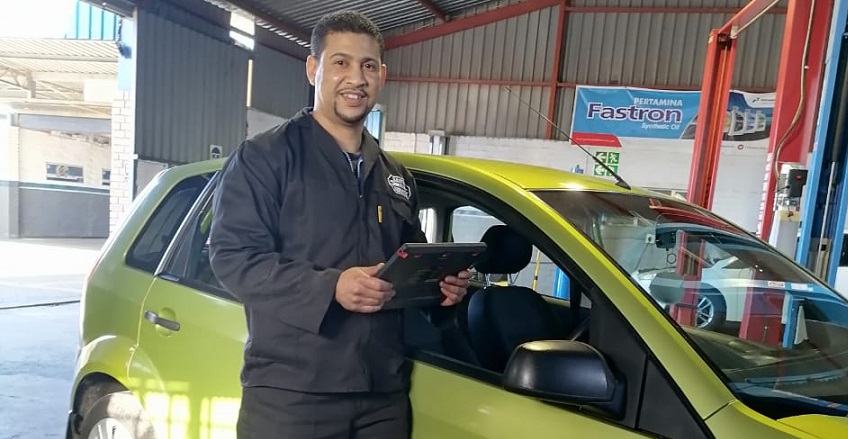
1. Vehicle Diagnostics
Why is a car diagnostic test important?
Diagnostic tests can reveal problems within a car’s engine, transmission, exhaust system, brakes, and other major components, as well as performance issues with the fuel injector, air flow and coolant, ignition coils, and throttle. Diagnostic testing is also a useful tool when you’re checking out a used car. Both private sellers and professional car dealers should agree to a diagnostic test before you commit to buying, and if they don’t, that’s a sign you should walk away from the deal.
DID YOU KNOW?
Regular diagnostic tests can detect problems with your vehicle before they require expensive repairs, or worse, leave you stranded on the side of the road after a breakdown.
Frequently Asked Questions
Q:
Why is my “Check Engine” light on?
The “Check Engine” light can indicate a wide range of issues, from something minor like a loose fuel cap to more serious problems such as sensor failures, ignition issues, or exhaust system faults. A diagnostic scan will pinpoint the exact error code, allowing technicians to identify and resolve the underlying problem efficiently.
Q:
Do I really need a diagnostic test if my car seems fine?
Yes. Modern vehicles rely on complex electronic systems that may develop hidden faults not immediately noticeable during driving. A diagnostic test helps detect early signs of wear or malfunction, preventing costly repairs and ensuring your vehicle continues to operate safely and efficiently.
2. Minor & Major Service
Minor Service
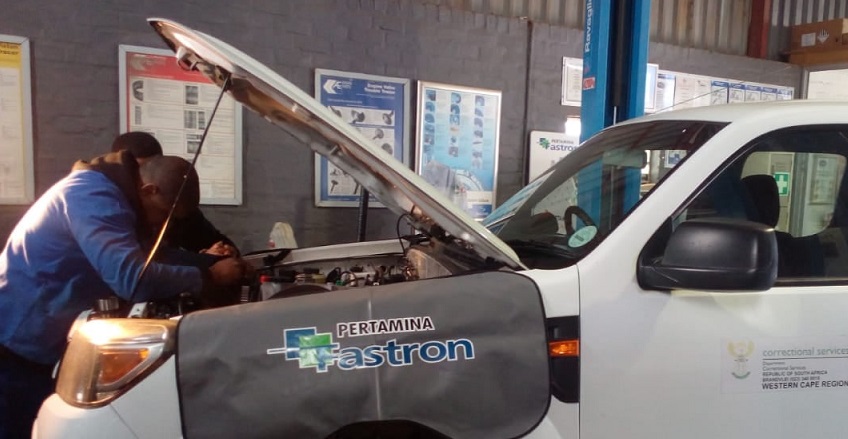
A Minor Service is a routine check designed to keep your vehicle running smoothly and prevent small issues from becoming costly repairs.
Typically includes:
Engine oil and oil filter replacement
Inspection of fluid levels (coolant, brake, transmission, etc.)
Basic safety checks (lights, wipers, horn, seatbelts)
Tyre pressure and tread inspection
Brake system check
General inspection for leaks or wear
Major Service
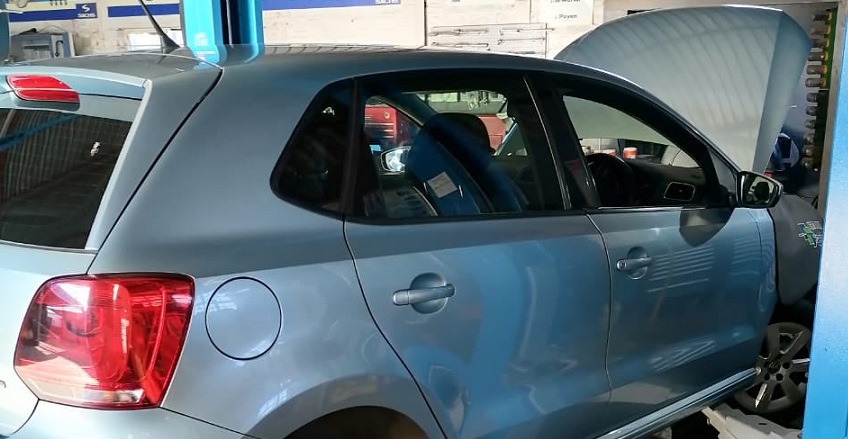
A Major Service is a more comprehensive maintenance procedure, usually performed at longer intervals. It ensures the vehicle’s long‑term reliability and performance.
Typically includes:
All Minor Service items
Replacement of air filter, fuel filter, and spark plugs (if applicable)
Full brake inspection and possible pad/disc replacement
Suspension and steering system checks
Battery and charging system test
Detailed inspection of belts, hoses, and exhaust system
Diagnostic scan for electronic systems
Frequently Asked Questions
Q:
How often should I book a Minor or Major Service?
Minor Services are typically recommended every 10,000–15,000 km (or annually, depending on usage), while Major Services are usually scheduled every 40,000–60,000 km. However, exact intervals can vary by manufacturer, so it’s best to follow your vehicle’s service manual or consult with your technician for tailored advice.
Q:
Is a Major Service worth the extra cost compared to a Minor Service?
Absolutely. While a Minor Service keeps your vehicle in good running order, a Major Service goes deeper replacing critical components and thoroughly inspecting systems that affect safety, performance, and long‑term reliability. Investing in a Major Service helps prevent unexpected breakdowns, extends the lifespan of your vehicle, and often saves money by avoiding costly repairs later.
3. Part Replacements
Most Commonly Replaced Car Parts.
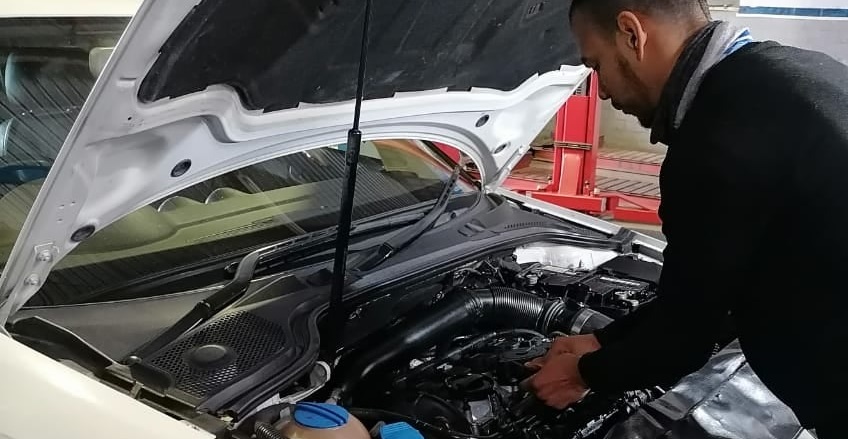
When your vehicle’s battery starts to age, performance suffers and risk of failure increases. Should this happen when you’re away from home, your car will likely require a jump start to get going. Brake lights, turn signals, taillights, and other small external lights are car parts that tend to fail more often than headlights. Since you can’t see when this happens while sitting inside the vehicle, you should inspect the lights on a regular basis. Rotors prevent your vehicle’s brake system from overheating during use. However, over time, friction from the brake pads and calipers causes the rotors to become less efficient. If they are too worn down, you run the risk for a possibly dangerous brake failure. Performance problems such as difficulty starting your vehicle, slow acceleration, rough idling and misfiring or surging of the engine may indicate that it’s time for new spark plugs.
DID YOU KNOW?
Routine vehicle maintenance includes replacing car parts that fail due to normal wear and tear or a lack of proper maintenance.
Frequently Asked Questions
Q:
Why does my car battery need replacing so often?
Car batteries naturally lose efficiency as they age. Over time, they struggle to hold charge, leading to slower starts or complete failure. If a battery fails unexpectedly, your vehicle may require a jump start. Regular testing and timely replacement help avoid breakdowns and ensure reliable performance.
Q:
How can I tell if my brake rotors or spark plugs need replacement?
Worn brake rotors often cause vibrations or reduced braking efficiency, and ignoring them can lead to dangerous brake failure. Spark plugs, on the other hand, affect engine performance symptoms like rough idling, misfiring, slow acceleration, or difficulty starting signal that replacement is needed. Routine servicing helps detect these issues early before they become costly or unsafe.
4. Vehicle Overhauls
Is an overhauled engine good?
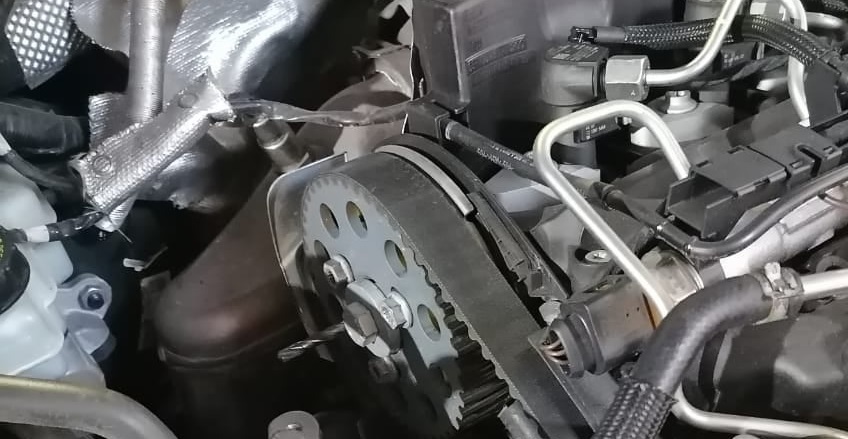
An engine overhaul is an excellent option for engines that aren't old or excessively worn but are still experiencing issues. In many cases, an engine overhaul can effectively fix any issues with your engine and save you a significant amount of money over having your engine replaced completely. An engine overhaul be much cheaper than a new car, but it should be done by a mechanic who is truly qualified, lest your vehicle turns into a money pit.
WHAT IS AN OVERHAUL ON A CAR?
A vehicle overhaul is a comprehensive restoration process where major components such as the engine, transmission, and suspension are inspected, repaired, or replaced. Unlike routine servicing, an overhaul addresses deep mechanical wear and ensures the vehicle is restored to optimal performance and reliability.
Frequently Asked Questions
Q:
When should I consider a full overhaul instead of regular servicing?
An overhaul is usually recommended when a vehicle shows signs of severe wear such as persistent engine problems, poor fuel efficiency, excessive smoke, or repeated breakdowns. It’s also common for older vehicles with high mileage to require an overhaul to extend their lifespan and maintain safe operation.
Q:
How long does a vehicle overhaul usually take?
The duration of an overhaul depends on the extent of work required and the availability of parts. A standard engine overhaul can take several days, while a full vehicle overhaul may require one to two weeks. The goal is to ensure every major system is thoroughly inspected, repaired, or replaced so your vehicle is restored to safe and reliable condition.
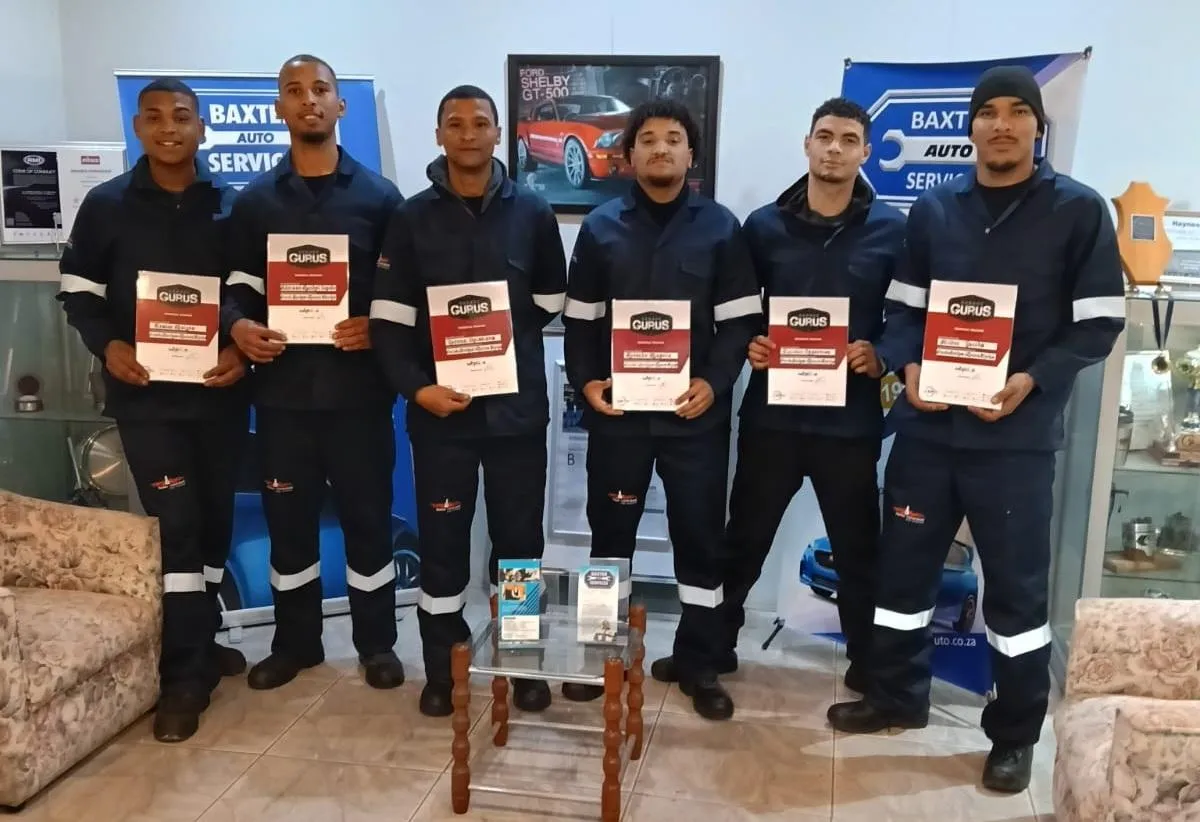
5. Training Centre
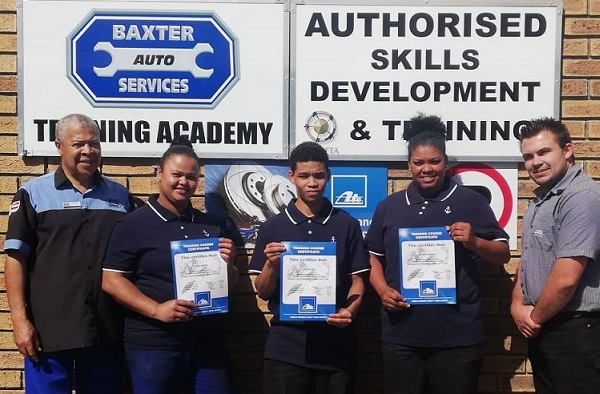
Authorised for skills development and training.
Charles Baxter sends his mechanics on regular courses, ensuring they are kept up to date with the latest developments and technological advancements in the industry.
Need expert advice?
Do you need assistance in making an informed decision regarding your vehicle? Our professional expert team will assist.
023 342 5850
34 Breërivier Drive, Worcester 6850
Monday - Friday: 7:30 AM - 5:30 PM
Weekends: CLOSED
Drop us a message!
Follow Us
Follow Us
© Copyright 2026. Baxter Auto. All rights reserved.